Introduction
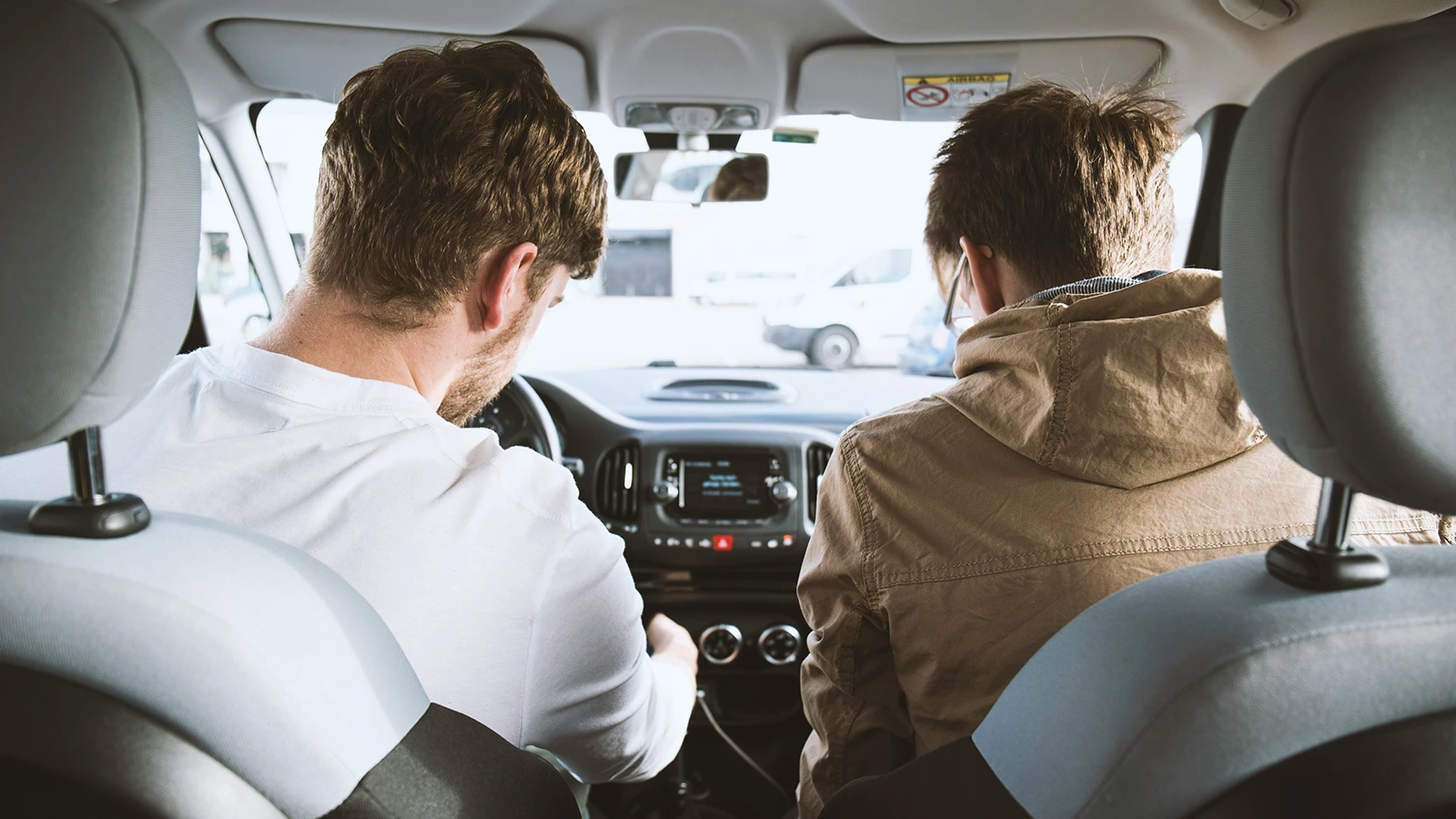
Learning to drive is a milestone for every teenager, and it's just as significant for parents. While driving schools provide essential skills and structured lessons, parents play a crucial role in reinforcing safe habits, offering encouragement, and creating a positive learning environment. For many teens, the presence of a supportive parent can make the difference between nervous, hesitant driving and confident, responsible learning. In this article, we'll explore how parents can best support their teens throughout the process of learning to drive.
Be a Role Model Behind the Wheel
Teenagers often imitate what they see, which means that your driving habits directly influence theirs. If you roll through stop signs, speed in residential areas, or check your phone at red lights, chances are your teen will think those behaviors are acceptable. On the other hand, demonstrating defensive driving, consistent signaling, and calm decision-making sends a powerful message about the kind of driver you expect them to become. Long before your teen takes the wheel, they are already absorbing lessons simply by watching you.
Create a Calm Learning Environment
Teens are naturally nervous when they first begin driving. A parent's tone of voice and attitude during practice sessions can make a huge difference. Shouting, overcorrecting, or showing frustration creates stress and discourages learning. Instead, aim to be calm, patient, and constructive. Give instructions clearly and ahead of time so your teen doesn't feel rushed. Praise their progress regularly, no matter how small, and treat mistakes as opportunities to learn rather than reasons to scold.
Practice Frequently, in Small Steps
Driving is a skill that improves with repetition. Short, consistent practice sessions are more effective than occasional long drives. Start with quiet neighborhoods or empty parking lots, where your teen can focus on basics like steering, braking, and accelerating smoothly. As their confidence grows, gradually introduce more challenging environments such as city traffic, intersections, and highways. By increasing difficulty step by step, parents help their teens build confidence without overwhelming them.
- Begin with simple skills like smooth starts, stops, and turns in a low-pressure environment.
- Progress to light traffic and practice lane changes, signaling, and checking blind spots.
- Introduce night driving and different weather conditions once basic skills are strong.
Encourage Defensive Driving Habits
One of the most valuable things parents can do is to instill defensive driving habits early. Encourage your teen to scan intersections, maintain a safe following distance, and anticipate the actions of other drivers. Talk about why it's important to assume that others may make mistakes and how being proactive prevents accidents. By consistently reinforcing these habits, parents help teens build a mindset that prioritizes safety over convenience or speed.
Discuss Responsibilities and Consequences
Learning to drive isn't just about handling a car – it's also about responsibility. Parents should have open conversations with their teens about the privileges and consequences of driving. Discuss topics such as obeying speed limits, avoiding distractions, and the dangers of driving under the influence. Setting clear expectations and boundaries helps teens understand that driving is not only a freedom but also a serious responsibility.
Support Through Encouragement, Not Pressure
Some teens may learn quickly, while others need more time. Parents should avoid comparing their teen's progress to others and instead focus on individual improvement. Pressuring a teen to master skills too quickly can lead to anxiety or unsafe driving. Encouragement works far better than criticism. Celebrate milestones such as successful parallel parking, driving in heavy traffic, or completing a highway merge. Positive reinforcement builds confidence and motivates continued effort.
Stay Involved After the License
Parental support shouldn't end once a teen passes their driving test. The first year of solo driving is statistically the most dangerous for young drivers. Continue to check in regularly, ride along occasionally, and discuss any challenges your teen faces. Encourage them to be honest about situations where they felt nervous or uncertain, and offer advice without judgment. Setting gradual limits on distance, time of day, or number of passengers can also help reduce risks until your teen gains more experience.
Conclusion
Parents are essential partners in a teen's driving journey. By being calm role models, creating positive learning experiences, and reinforcing defensive driving habits, they help shape their teen into a safe and confident driver. The process requires patience, encouragement, and ongoing involvement – but the rewards are lifelong. With the right support, teens not only gain the skills needed to pass a driving test but also develop the responsibility and confidence to stay safe on the road for years to come.