Introduction
When learning to drive, most students focus on the basics: steering, signaling, and following the rules of the road. While these are essential, true safety comes from something deeper – defensive driving. Defensive driving means anticipating hazards, making proactive choices, and always staying prepared for the unexpected. It's about protecting yourself, your passengers, and others on the road by being aware, cautious, and responsible. For new drivers, mastering defensive driving early is one of the best ways to build confidence and prevent accidents. In this article, we'll explore what defensive driving is, why it matters, and how beginners can apply its principles in everyday situations.
What Is Defensive Driving?
Defensive driving is a style of driving that goes beyond simply obeying traffic laws. It's a mindset that prioritizes safety above convenience, encouraging drivers to anticipate potential risks and react in ways that minimize danger. Unlike aggressive or distracted driving, which increases the chances of accidents, defensive driving reduces risks by focusing on awareness and preparation. For new drivers, adopting this approach from the very start helps establish strong habits that last a lifetime.
Why Defensive Driving Matters for New Drivers
Statistics consistently show that inexperienced drivers are more likely to be involved in collisions. This is not just because of lack of skill, but also because of limited exposure to unexpected situations. Defensive driving closes that gap by teaching learners to think ahead, stay calm under pressure, and make safe choices when something goes wrong. It also reduces the stress of driving in busy traffic, since you feel prepared rather than surprised. Ultimately, defensive driving isn't only about avoiding accidents – it's about building confidence and control in every situation.
Core Principles of Defensive Driving
Defensive driving can be broken down into a set of core principles that guide safe behavior on the road. New drivers who practice these consistently will quickly notice an improvement in both their confidence and their ability to handle traffic.
- Stay Alert: Keep your attention fully on driving. Avoid distractions like phones, eating, or adjusting the radio while in motion.
- Keep a Safe Distance: Maintain a following distance of at least three to four seconds behind the car ahead; increase this distance in poor weather or heavy traffic.
- Expect the Unexpected: Always assume other drivers may make mistakes, such as running a red light or turning without signaling.
- Control Your Speed: Obey speed limits but also adjust to conditions – slow down in rain, fog, or heavy traffic.
- Communicate Clearly: Use signals, brake lights, and eye contact when possible to make your intentions clear to other drivers.
- Plan Your Escape: Always know where you could safely move if the car in front of you stopped suddenly.
Situations Where Defensive Driving Is Essential
Every driving environment presents unique challenges. Defensive driving teaches you how to adapt to each situation without panic. Let's look at some of the most common scenarios where defensive driving skills are critical.
Heavy Traffic
In congested areas, sudden stops and lane changes are common. A defensive driver keeps extra space between vehicles, avoids aggressive lane switching, and stays calm even when traffic slows. Instead of trying to "beat the crowd", they focus on moving steadily and safely.
Intersections
Intersections are one of the most dangerous places for accidents. Defensive drivers approach every green light with caution, checking both directions before entering. They anticipate that another driver might run a red light or fail to yield, and they adjust their speed accordingly.
Highways and Freeways
High speeds leave little room for error. On highways, defensive drivers maintain generous following distances, check blind spots before merging, and avoid lingering in another driver's blind spot. They also stay aware of large trucks, giving them extra space to maneuver safely.
Adverse Weather
Rain, fog, snow, and ice all demand extra caution. Defensive drivers slow down significantly, increase following distances, and use headlights appropriately. They recognize when conditions are too dangerous and aren't afraid to pull over or delay travel if needed.
Dealing With Aggressive Drivers
Not every driver on the road will be calm and patient. When faced with tailgaters, speeders, or drivers who cut off others, defensive drivers avoid reacting emotionally. Instead, they stay predictable, avoid confrontation, and give the aggressive driver space to move on.
How New Drivers Can Practice Defensive Driving
Defensive driving might sound complex at first, but it's really a set of small habits that, when practiced consistently, become second nature. Here are some practical ways new drivers can start incorporating defensive driving techniques into their lessons and practice sessions:
- Use the "What if?" Game: As you drive, ask yourself what you would do if another car suddenly stopped, swerved, or entered your lane.
- Check Mirrors Frequently: Every 5–8 seconds, glance at your mirrors to stay aware of what's happening around you.
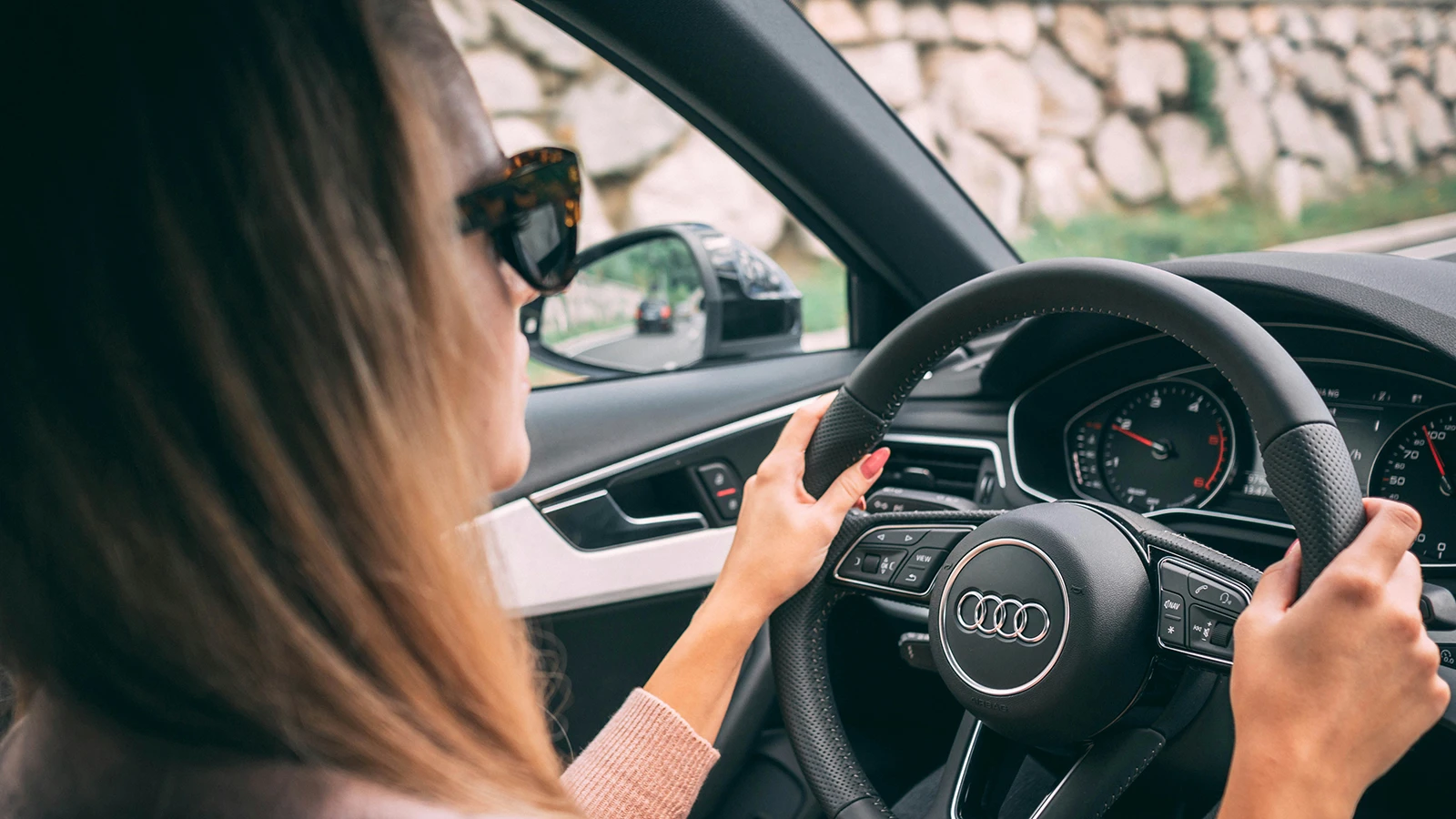
- Keep Your Hands Ready: Always keep both hands on the wheel in the proper position, so you can react quickly.
- Stay Patient: If you're running late, resist the urge to rush. It's better to arrive safely than risk an accident.
- Practice in Different Conditions: When possible, practice with a licensed driver in various environments – light rain, night driving, or busy intersections.
Common Mistakes to Avoid
Ironically, many new drivers do the opposite of defensive driving without realizing it. Recognizing these mistakes is key to correcting them before they become habits.
- Tailgating: Driving too closely to the car ahead limits reaction time and often causes rear-end collisions.
- Overconfidence: Some beginners, once they learn the basics, become careless and take unnecessary risks.
- Distractions: Even quick glances at a phone or fiddling with the radio can cause dangerous lapses in awareness.
- Ignoring Weather: Driving as if conditions are perfect, even when roads are wet or visibility is low, leads to poor judgment.
Benefits of Defensive Driving
Besides the obvious benefit of staying safe, defensive driving has other long-term advantages. Many insurance companies offer discounts to drivers who complete defensive driving courses, which can save money. It also reduces wear and tear on your vehicle by avoiding sudden braking or erratic maneuvers. Most importantly, it provides peace of mind – knowing you are prepared and capable of handling unexpected challenges makes every drive less stressful and more enjoyable.
Conclusion
Defensive driving is more than a skill; it's a mindset that every new driver should develop early on. By staying alert, anticipating risks, and practicing safe habits, learners can protect themselves and others while building lifelong confidence on the road. Mistakes are bound to happen during the learning process, but defensive driving minimizes their impact and teaches drivers how to respond wisely. With patience, practice, and a focus on safety, new drivers can turn defensive driving into a natural part of every journey.